
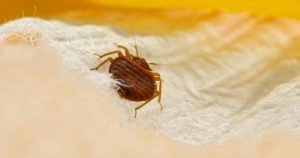
Bed bug infestations are often spread through travel by people who are unaware of the hitchhiking insects. Bed bugs are small, flat, oval-shaped blood-feeding insects that can neither jump nor fly and spread by crawling on clothing and belongings.
The risk of picking up bed bugs increases in places with a high turnover of people where bed bugs can hide.
Understanding how bed bugs spread, how to prevent taking them with you, and what to do if you bring them home can help prevent a small number of insects from becoming a costly infestation.
The Most Common Travel-Related Bed Bug Sources
1. Clothing, personal items, luggage, and bags brought into an infested place can pick up bed bugs and bring them home.
2. Hotel and travel accommodations, no matter how well-maintained, can have bed bugs if a previous guest introduced them.
Common Misconceptions About Bed Bugs
Many people assume bed bugs are a sign of poor sanitation, but this is not usually true. Bed bugs are attracted to people, not dirt. Bed bugs can be anywhere people go and they can appear in luxury hotels, budget motels, cabins, and houses.
Look for Bed Bug Signs in Hotels and Rentals
Before unpacking, travellers should take a few minutes to inspect their accommodations. Bed bugs typically hide in cracks and crevices close to areas where people spend time resting. Inspect mattress seams, headboards, box springs, bed frames, cracks and crevices in furniture, wall decorations, baseboards, and curtains. If any bed bugs are discovered, inform the hotel front desk or rental owner.
Signs of bed bugs:
- Small, flat, oval-shaped, yellow to reddish-brown insects less than one centimetre in length
- Tiny black or rust-coloured droppings and eggs in cracks and crevices
- Shed exoskeletons
- Blood spots on sheets or pillowcases
- A musty smell in heavily infested rooms
Prevention Tips for Travellers
A few preventative actions can reduce the risk of bringing bed bugs home:
- Use hard-sided luggage when possible
- Bring large clear or white sealable plastic bags
- Keep clean clothes in sealed bags inside your suitcase
- Store worn clothing in separate bags
- Keep belongings in the bathroom or bathtub, if possible
- Avoid placing belongings in drawers unless inspected and free of bugs
- Dry clothing on high heat immediately after returning home
- Vacuum your suitcase and focus on pockets and places where bed bugs could hide
What Businesses Can Do During Spring Travel Season
For commercial properties and owners of hotels, facilities, and rentals, spring is a good time to review bed bug prevention procedures and reinforce staff awareness.
Reduce bed bug risks through:
- Regular room inspections
- Mattress and box spring encasements
- Bed bug traps and monitors
- Staff training on early detection and response procedures
- Rapid treatment when bed bugs are found
Early intervention protects your property’s reputation and limits spreading.
What to Do if You Think You Brought Bed Bugs Home
Early signs of bed bugs include bites (many people do not react to bed bug bites), dark spots and blood smears on bedding, or seeing the small insects themselves on beds and furniture. Moving infested items without covering them can spread bed bugs.
Because bed bugs multiply quickly and are very good at hiding in tiny cracks, professional treatment is often necessary.
When to Call a Professional
Professional pest control is recommended if:
- Multiple signs appear after travel
- Bites or spotting continue after cleaning
- Bed bugs are found
- A commercial property receives guest reports
Poulin’s Pest Control provides thorough inspections and targeted treatments that eliminate bed bugs quickly and safely.
Protect Your Home or Business from Bed Bugs After Spring Travel
If you found any bed bugs or suspect that bugs followed you home after a trip, Contact Poulin’s Pest Control today to book a professional bed bug inspection or treatment to prevent an infestation, and get expert support when you need it most.