
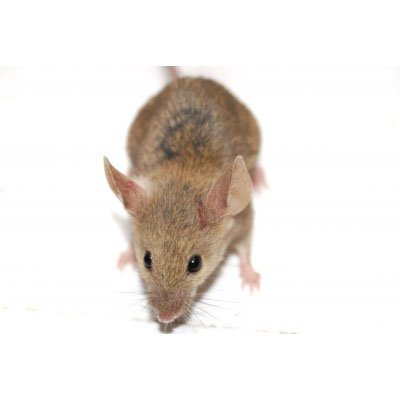
HOUSE MICE
Scientific Name: Mus musculus Common Names: House Mouse Color: generally gray-brown with a gray stomach Weight: adults weigh between 17 – 25 grams Length: up to 20cm, nose to tail FACT: The house mouse often lives in close association with humans and therefore is termed one of the “commensal” rodents along with Norway and roof rats.

House Mouse Information
Rodent Treatment Preparation Sheet
Bait Suggestions
Tips for Mouse & Rat Traps
Live Trapping Tips
Preventing Rats & Mice from Entering Your House
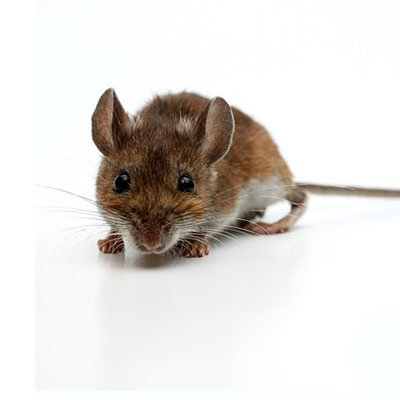
DEER MICE
Scientific Name: Peromyscus maniculatus Common Names: Deer Mouse Color: Medium to dark brown, white feet and underbelly Weight: between 10 – 24 grams Length: 5 – 8 inches long FACT: Deer Mice are known carriers of the Hantavirus. Because of this caution needs to be taken when dealing with a Deer Mouse problem. Hantavirus is rare, but a serious problem to human health.
Deer Mouse Information
Rodent Treatment Preparation Sheet
Bait Suggestions
Preventing Rats & Mice from Entering Your House
Tips for Mouse & Rat Traps
Live Trapping Tips
Hantavirus Guide – Clean-up Procedures & Protective Measures
Rodent Control Strategies for Mice and Voles in the Early Spring
Early spring is one of the busiest seasons for rodent control when many property owners start noticing renewed mouse and vole activity around their homes and businesses. Melting snow uncovers trails of dead grass made by voles tunnelling over the winter. Warm temperatures, exposed nests, and more food sources encourage mice and voles to explore…
Mice Don’t Hibernate: Why February Is A Dangerous Month for Hidden Infestations
In February, homeowners and business owners alike often assume that most pests are dormant or gone for the season. Unfortunately, that’s not the case for mice. Mice don’t hibernate. They can thrive during the coldest months. By this time of year, hidden infestations have often been growing unnoticed for weeks or even months. Poulin’s Pest…
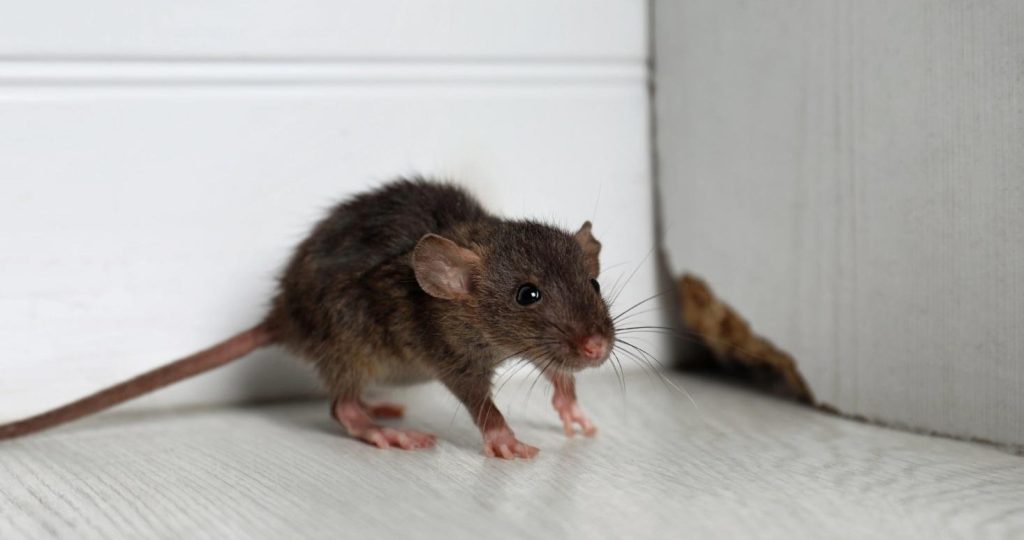
Why You’re Hearing Scratching in Your Walls: Early Warning Signs of a Mouse Infestation in Alberta Homes
If you’re hearing scratching in the walls, it’s probably not the house settling. In Alberta, that sound is often the first clue that mice have moved in. When Alberta homeowners notice any of these warning signs, it is time to contact Poulin’s Pest Control for an inspection and a targeted mouse-control plan to be put…
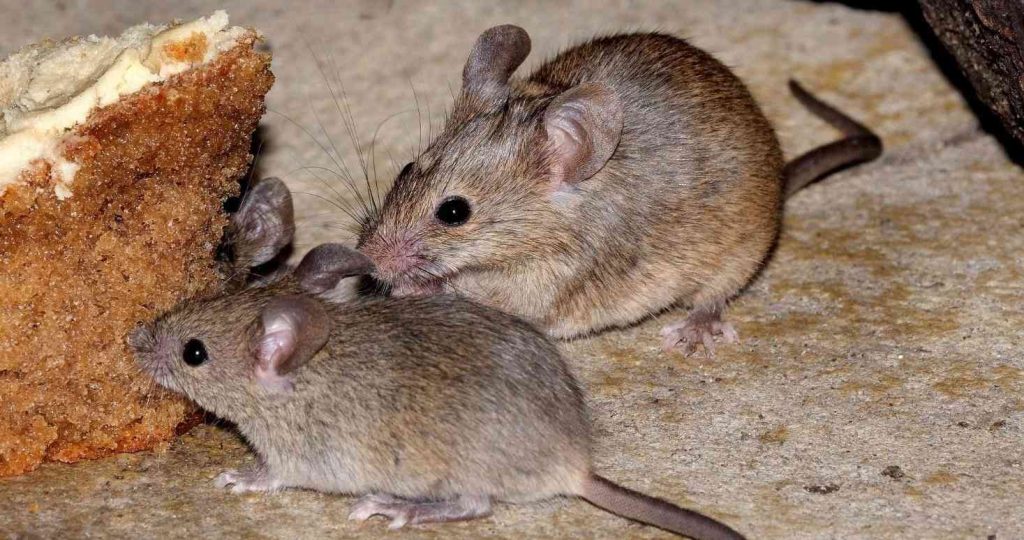
Are Mice Getting Smarter? How Rodents Seem to Adapt to Traps and Poison
For countless homeowners and property managers across Canada, battling persistent rodent infestations can feel like a never-ending game of cat and mouse, except the mice seem to be winning. If your go-to traps and poisons are no longer delivering results, you’re not alone. Let’s explore how rodents seem to adapt to traps and poison, and…